Shakespeare’s Sonnet 73, the “Bare ruin’d choirs, where late the sweet birds sang,” and the meaning of love itself

Love can sing to us, sweetly, and we can build an edifice upon it for that special choir, an edifice composed of both the joy we have in our lover and the fears of how it will end, for everything is ultimately “ruin’d” in this world, but in Shakespeare’s, even a single intentionally shortened syllable… Continue reading Shakespeare’s Sonnet 73, the “Bare ruin’d choirs, where late the sweet birds sang,” and the meaning of love itself

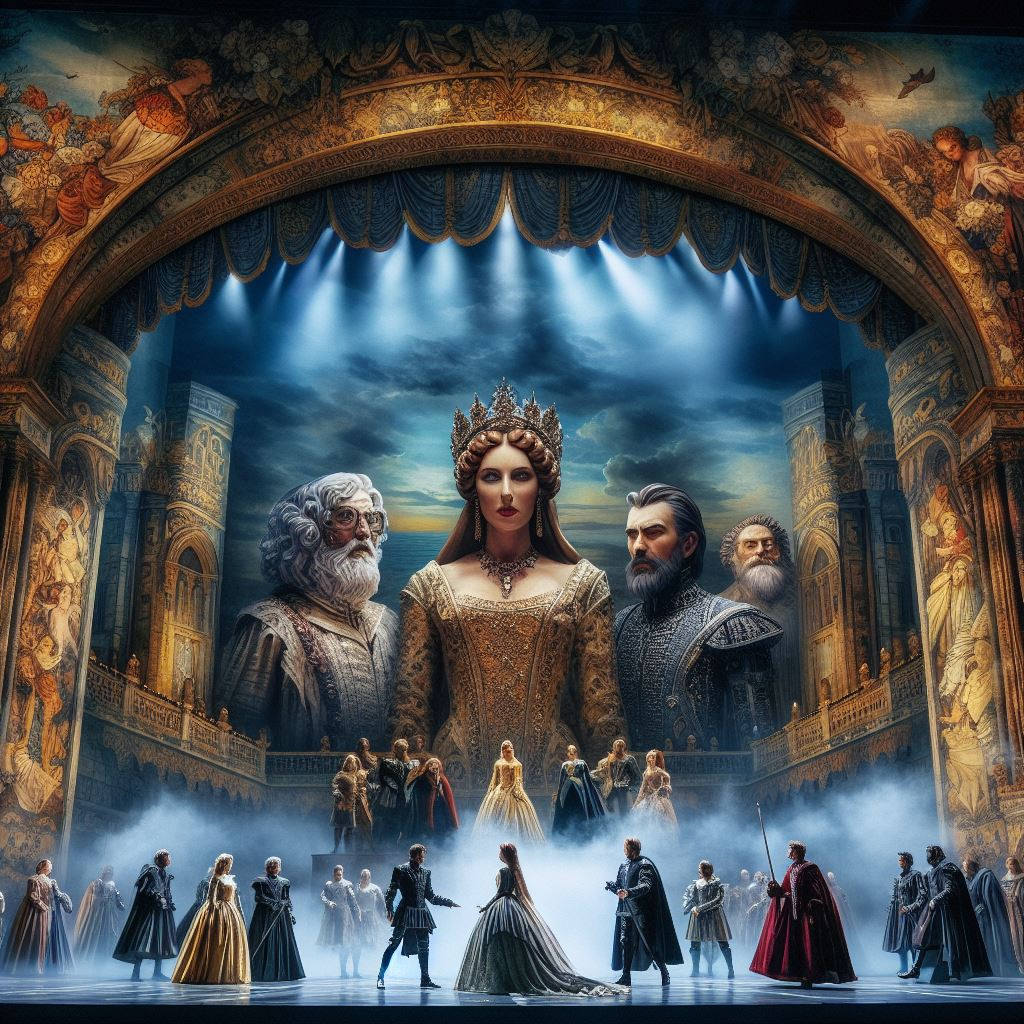
Shakespeare’s Julius Caesar and the nature of power in the hands of the people

It is a tragedy not of a single individual or even the entire Roman Republic, but one of power, who has it, who wants it, how they get it, and how it ebbs and flows at the whims of the crowd, exercising their free and fickle will to support who they choose at any given… Continue reading Shakespeare’s Julius Caesar and the nature of power in the hands of the people

Donald Trump, Teddy Roosevelt, a President on trial, and the American obsession with sick bastards

Roosevelt has little in common with Trump on the surface, save for being born wealthy in New York City and having significant careers outside of politics, but both men inspired over the top passion and both spent a lot of time in court after their Presidencies.  On New Year’s Day 2016, I joined my wife… Continue reading Donald Trump, Teddy Roosevelt, a President on trial, and the American obsession with sick bastards

Shakespeare’s most underrated character and speech, perhaps

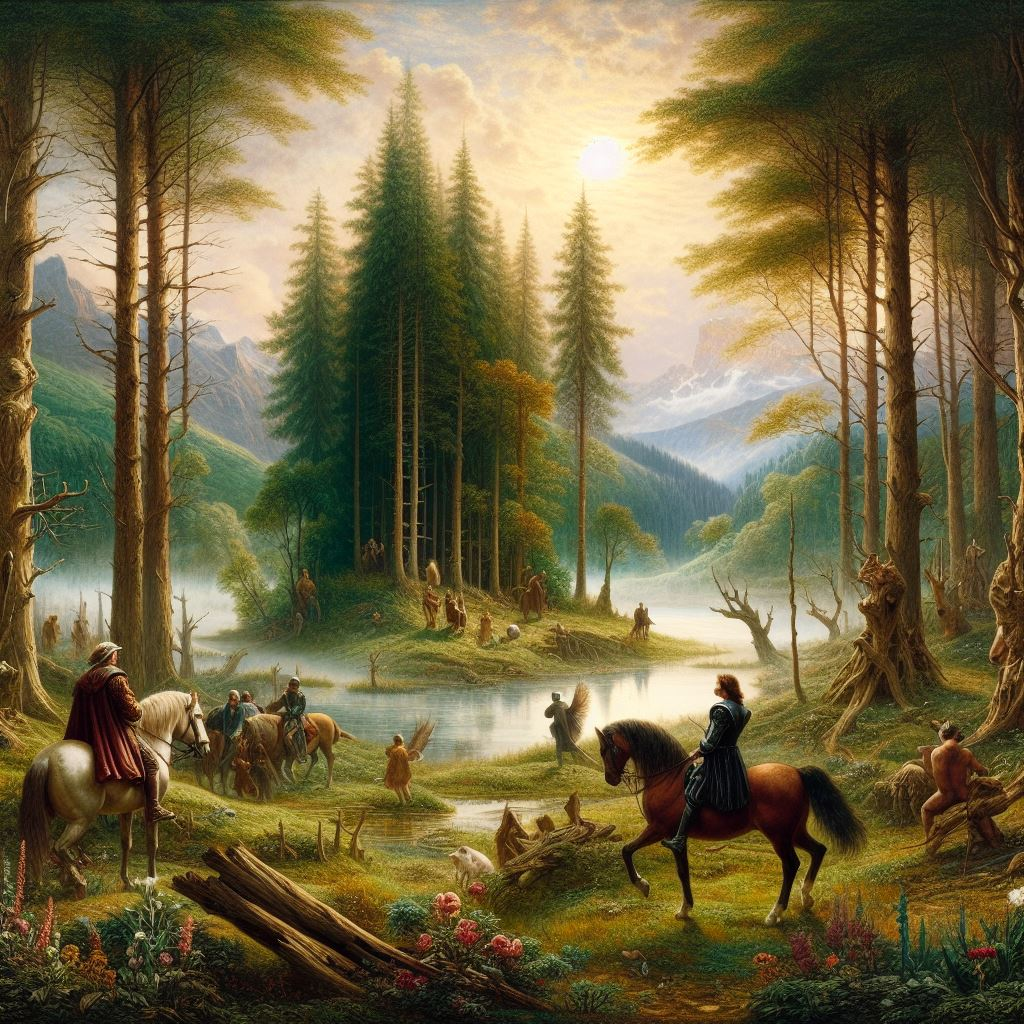
Jaques, As You Like It’s “melancholy fellow,” is not likely to appear on any list of Shakespeare’s greatest characters, nor is his speech on the nature of his melancholy, but we see in him a sort of proto-Hamlet without the need to wound, opinion unrestrained, as he fancies himself said, claims it is better to… Continue reading Shakespeare’s most underrated character and speech, perhaps

Shakespeare’s Much Ado About Nothing and why the world must be peopled

We cannot know the wellspring of the emotion we call love, neither where it comes or where it goes, but we should embrace it, lest the entire species should falter.  Such is the weight of our dalliances, which are about a lot more than nothing – as is the play itself. Much Ado About nothing… Continue reading Shakespeare’s Much Ado About Nothing and why the world must be peopled

Shakespeare’s Macbeth, As You Like It, and all the world’s a stage

If brevity is the soul of wit, Macbeth’s might be the superior statement of the futility of our existence, an entire philosophy contained in a few simple lines, but the overall meaning couldn’t be more different.  It’s as if each speech is itself a prism, and the meaning reflected is based on the direction of… Continue reading Shakespeare’s Macbeth, As You Like It, and all the world’s a stage

Springsteen’s “Tougher Than the Rest” and the dramatic decline in divorce rates

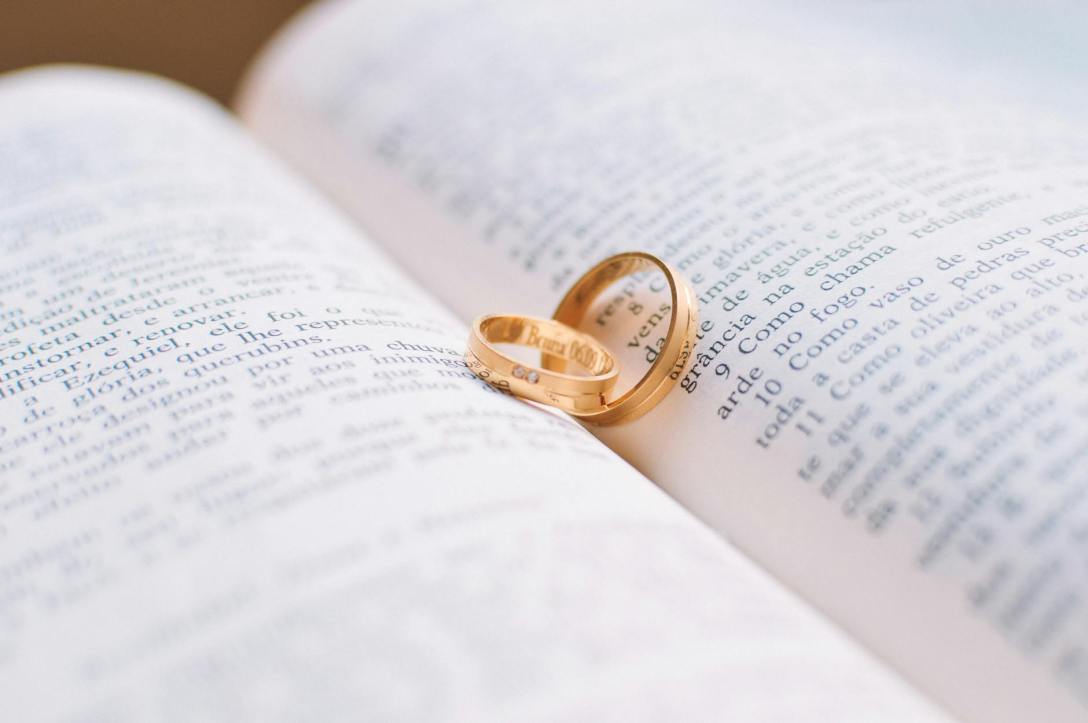
Barely half as many couples are getting divorced and more couples are getting married than in recent years. Some experts attribute the trend to being intentional about your mate and choosing companionship rather than romance. Perhaps Springsteen put it best in “Tougher Than the Rest,” or even Shakespeare hundreds of years earlier in Romeo and… Continue reading Springsteen’s “Tougher Than the Rest” and the dramatic decline in divorce rates

Shakespeare and the end of humanity as we know it

It’s difficult to overstate the radical rewiring of humanity and our role in the world that occurred in Shakespeare’s era, fundamentally altering the nature of our relationship with ourselves, others, and reality itself.  A rewriting that might be breaking down today... The late, great literary critic and legendary scholar Harold Bloom once claimed that William… Continue reading Shakespeare and the end of humanity as we know it

Romeo and Juliet and the true nature of tragedy and comedy

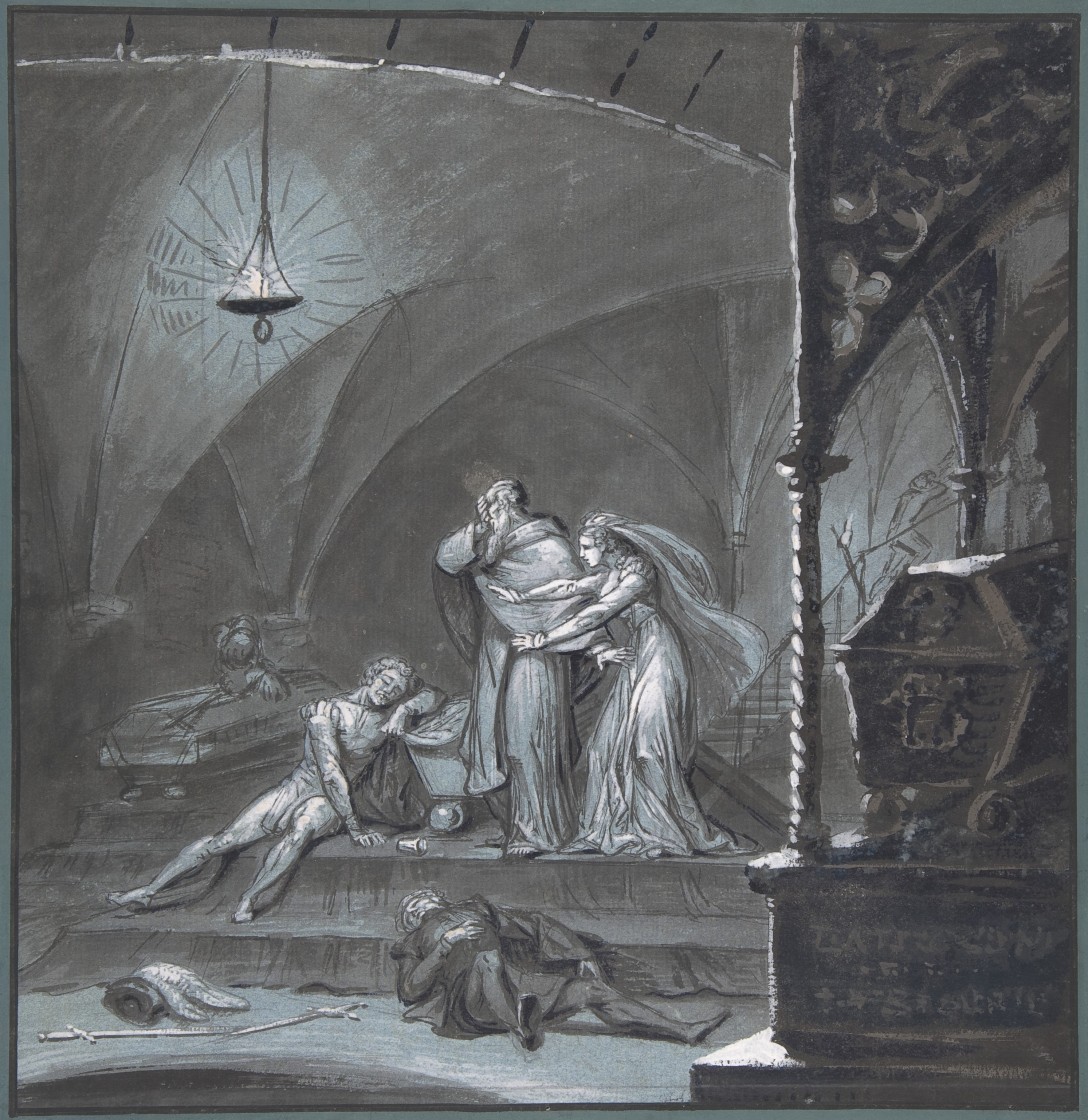
Few, if any endings are more tragic, but therein lies Shakespeare’s clever trick.  To produce such an effect, he hid a tragedy in what is truly a comedy, the comedy of life itself.  Everyone knows Shakespeare’s Romeo and Juliet is a tragedy because any play that ends with two young lovers, the main characters of… Continue reading Romeo and Juliet and the true nature of tragedy and comedy

Fellini’s 8½ and whether or not reality matters in either art or life itself

Much like music, a great film can exist purely on an emotional level, as a stream of loosely related and structured consciousness that teases us with symbolism, impenetrable to a complete analysis, and yet filled with meaning all the same. Federico Fellini’s 1963 surrealistic fantasy about a film director struggling with his love life and… Continue reading Fellini’s 8½ and whether or not reality matters in either art or life itself