If Polonius had taken his own advice to be true rather than false and kept his command to his daughter to avoid Hamlet, Ophelia and the royal family might still be alive. The phrase “To thine own self be true” is familiar to almost everyone, having taken on a life of its own after William… Continue reading “To thine own self be true” and the importance of the source and context of advice
Tag: laertes
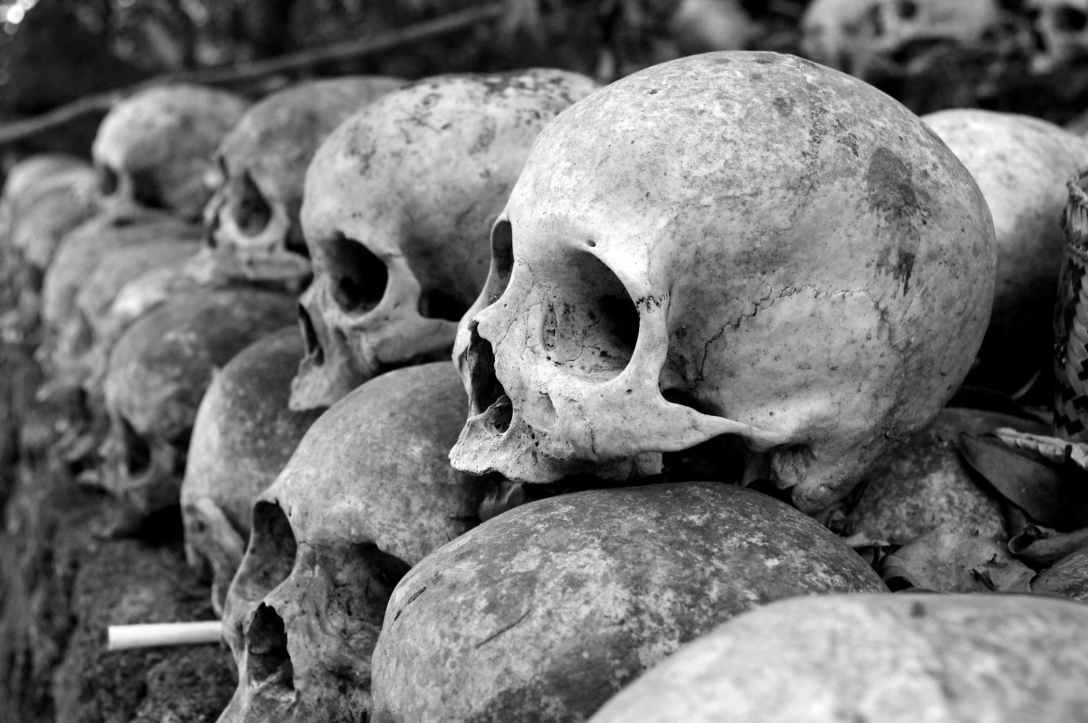
“We fat all creatures else to fat us, and we fat ourselves for maggots,” how Shakespeare captures both the circle of life and the futility of existence in a single sentence
The entire aside is unnecessary purely in terms of the plot, but Hamlet remains about far more than that. Perhaps, it is best seen as a vessel for ideas, where they come from, how they evolve, and where they go, and the beings that carry them. The eminent literary critic and scholar Harold Bloom once… Continue reading “We fat all creatures else to fat us, and we fat ourselves for maggots,” how Shakespeare captures both the circle of life and the futility of existence in a single sentence
This Christmas let thinking make it so and be merry from the inside out
Hamlet’s lessons for a happy holiday season and a successful life in general. Who knew Shakespeare’s tragic Danish Prince could offer such good advice on positive mental health while careening towards a bloody end for him and his entire family? “There is nothing either good or bad, thinking makes it so.” Hamlet speaks these few… Continue reading This Christmas let thinking make it so and be merry from the inside out
“To be or not to be” is the most famous speech in the English language, but what does it really mean?
On the surface, Hamlet ponders life and fear of death, but the subtext veers far beyond that into morality and conscience, reflecting the themes of the play and the broader range of the human condition. Not bad for a speech that seems almost accidentally stuck into the final product, as if Shakespeare wrote it for… Continue reading “To be or not to be” is the most famous speech in the English language, but what does it really mean?