Evolution, two recent discoveries, and how there remain more things in heaven and Earth than are dreamt of in our philosophy

Scientists discover a new cell that lives like a virus and a new rule of life that can best be seen as the opposite of a regular rule, introducing chaos into the operation of a cell at a fundamental level. Scientists like tidy groupings, where you are either in or you’re out.  At least since… Continue reading Evolution, two recent discoveries, and how there remain more things in heaven and Earth than are dreamt of in our philosophy

“We fat all creatures else to fat us, and we fat ourselves for maggots,” how Shakespeare captures both the circle of life and the futility of existence in a single sentence

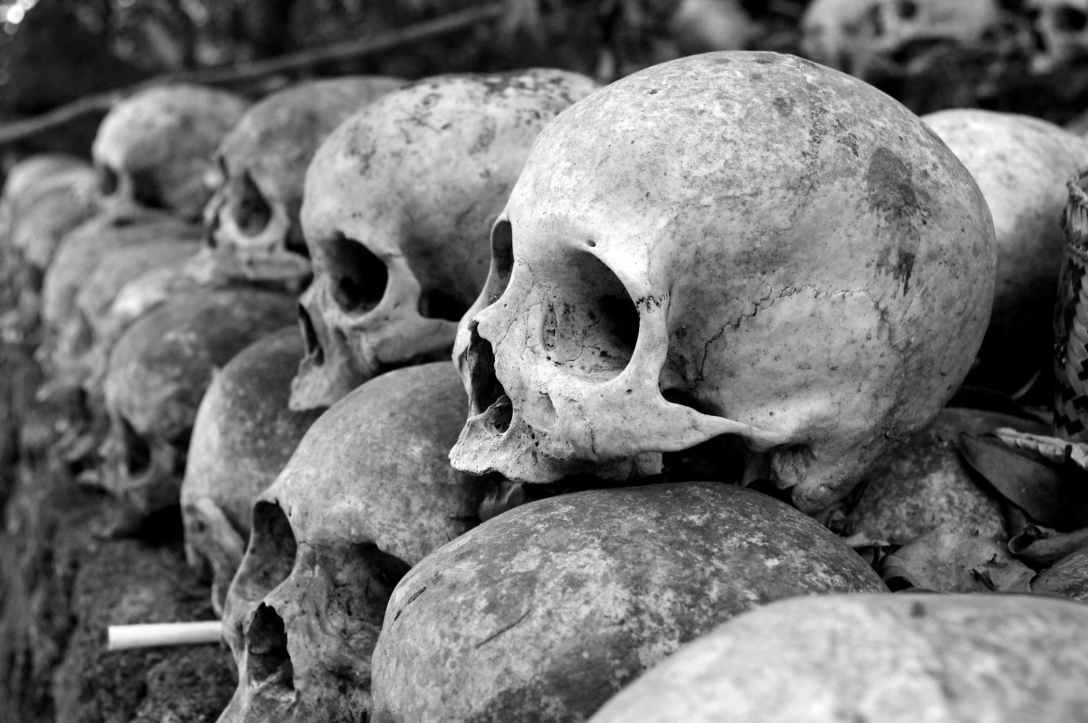
The entire aside is unnecessary purely in terms of the plot, but Hamlet remains about far more than that.   Perhaps, it is best seen as a vessel for ideas, where they come from, how they evolve, and where they go, and the beings that carry them. The eminent literary critic and scholar Harold Bloom once… Continue reading “We fat all creatures else to fat us, and we fat ourselves for maggots,” how Shakespeare captures both the circle of life and the futility of existence in a single sentence

I could be bounded in a nutshell, Shakespeare’s genius in three cryptic phrases

In one sense, Hamlet spins out the statement in a play of words, not intended to have any logical meaning, but to confuse his audience, hiding his real thoughts beneath the mask of insanity.  In another, it contains the meaning of the entire play and Macbeth besides. O God, I could be bounded in a… Continue reading I could be bounded in a nutshell, Shakespeare’s genius in three cryptic phrases

This Christmas let thinking make it so and be merry from the inside out

Hamlet’s lessons for a happy holiday season and a successful life in general.  Who knew Shakespeare’s tragic Danish Prince could offer such good advice on positive mental health while careening towards a bloody end for him and his entire family? “There is nothing either good or bad, thinking makes it so.”  Hamlet speaks these few… Continue reading This Christmas let thinking make it so and be merry from the inside out

Hamlet, The Northman, and Shakespeare’s genius through the looking glass

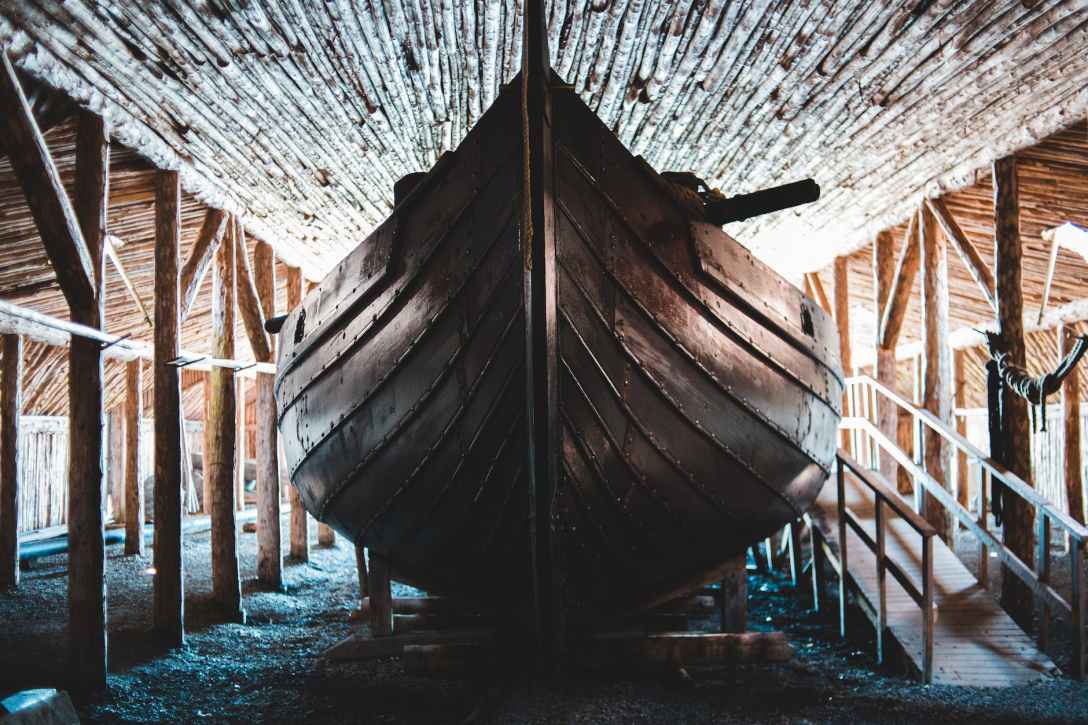
Robert Egger’s The Northman is based on the same source material as Shakespeare’s Hamlet, a Viking legend circa 1,000 AD, but takes a completely different path, crafting an almost anti-Hamlet.  This “Shakespherean” mode of adaptation presents unique opportunity to return to Shakespeare’s original roots and illuminate both works. Despite attempts to cancel the world’s greatest… Continue reading Hamlet, The Northman, and Shakespeare’s genius through the looking glass

“To be or not to be” is the most famous speech in the English language, but what does it really mean?

On the surface, Hamlet ponders life and fear of death, but the subtext veers far beyond that into morality and conscience, reflecting the themes of the play and the broader range of the human condition. Not bad for a speech that seems almost accidentally stuck into the final product, as if Shakespeare wrote it for… Continue reading “To be or not to be” is the most famous speech in the English language, but what does it really mean?